When a Leaning Tree Becomes a Danger: Signs You Shouldn't Ignore
A tree that tilts noticeably can be unsettling. Some lean is natural, trees adjust toward sunlight or grow on a slope, but a sudden or progressive lean often signals hidden problems. Knowing the difference between a harmless angle and a structural failure waiting to happen can protect your home, your yard, and anyone who spends time there.
Tree roots anchor the trunk and hold the soil around them. When that anchor weakens, the whole tree becomes unstable. The danger is not just that the tree might fall tomorrow; it is that a strong wind, heavy rain, or even the weight of its own leaves could trigger a collapse. The question is not whether a leaning tree needs attention but how to tell when that attention must include removal.
What Causes a Tree to Lean?
Leaning can start for several reasons. A storm may have shifted the root ball. Saturated soil after prolonged rain can loosen the grip of roots. Construction work near the tree, digging, grading, or compacting the soil, can damage the root system. A tree that was planted too deeply or too shallowly may develop a lean as it matures. Sometimes the cause is simple: the tree grew toward an opening in the canopy and never straightened out.
A lean that develops slowly over years is often less urgent than one that appears after a single storm or a dry spell. But even a gradual lean needs evaluation, especially if the tree is large or sits close to a house, driveway, or play area. The angle alone is not the only clue. You need to look at the whole picture.
Key Warning Signs That a Leaning Tree Needs Removal
1. Fresh Soil Disturbance at the Base
If the soil around the base of the tree is lifted, cracked, or mounded on one side, the root system may have started to pull away from the ground. This is a strong sign that the tree is no longer firmly anchored. After a storm, check the soil near the trunk. A visible ridge of raised earth on the side opposite the lean means the roots are losing their grip.
2. Exposed or Damaged Roots
Roots that have broken through the soil surface, especially on the side the tree is leaning toward, indicate that the tree is shifting. If those roots are decayed, cracked, or show signs of fungal growth, the structural integrity is compromised. A tree with significant root damage cannot be saved by pruning or cabling. Removal is often the only safe option.
3. Cracks in the Trunk
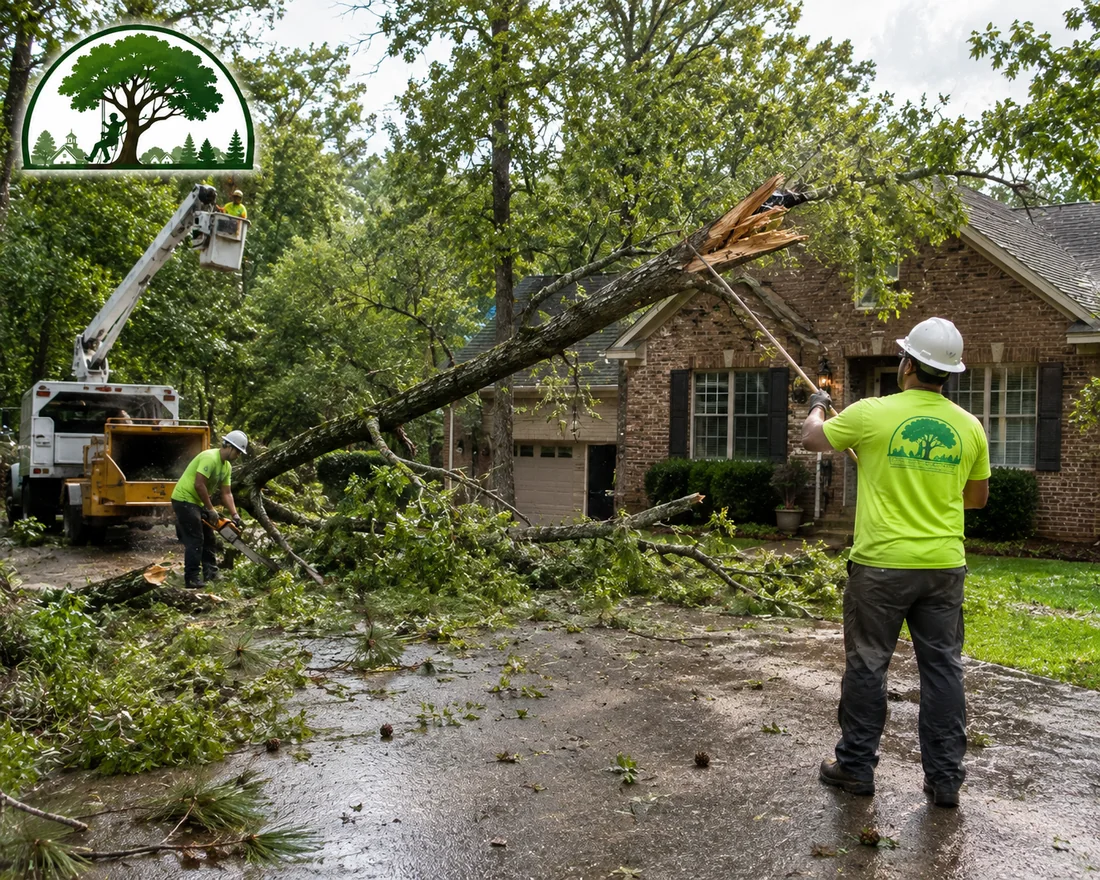
A vertical crack that runs deep into the trunk weakens the tree's ability to support itself. If the crack is on the side that is under tension, usually the side opposite the lean, the trunk may split under stress. Small surface cracks are normal, but a crack that extends more than a third of the way through the trunk is a serious concern. Trunk cracks combined with a lean make the tree much more likely to fail.
4. Deadwood and Crown Dieback
Dead branches in the upper canopy, or a thinning crown with fewer leaves than in previous years, suggest that the tree is stressed. A stressed tree is more vulnerable to pests and diseases, and its wood becomes brittle. If the crown is dying back while the tree is also leaning, the combination means the tree is losing the strength it needs to stay upright. Large dead branches can fall without warning, and the whole tree may be next.
5. Fungal Growth at the Base or on the Trunk
Mushrooms, conks, or other fungal fruiting bodies growing on the trunk or at the base indicate internal decay. Fungi break down the wood, making it soft and weak. A tree with significant rot cannot hold itself together in a storm. If you see fungus on a leaning tree, professional assessment is essential. The decay may have already spread through the structural wood.
What to Do If You Spot These Signs
If you notice any of these warning signs, the first step is to keep a safe distance. Do not park under the tree, do not let children play nearby, and avoid walking close to it in windy weather. Then call a certified arborist or a tree service to inspect the tree. They can measure the lean angle, probe for decay, and assess the root system. In many cases, they will recommend removal if the tree is judged to be a hazard.
For those who want to understand the process better, it helps to know what the arborist looks for. They check for root decay by examining the soil and the base of the trunk. They look for trunk cracks that extend through the bark into the wood. They note the presence of deadwood in the crown. They also consider the target area, the zone where the tree would land if it fell. A tree that would hit a house, a power line, or a frequently used path is a higher priority for removal than one in an open field.
If you need help with dangerous backyard trees, a professional crew can handle the job safely. They have the equipment to fell the tree in the right direction and the training to manage the risks. Attempting to remove a large leaning tree yourself is dangerous. The forces involved are unpredictable, and a misjudged cut can send the tree in an unexpected direction. Leave that work to the experts.
When Removal Is the Only Realistic Option
Some leaning trees can be stabilized with cables or braces, but that is a temporary fix. If the root system is badly damaged or the trunk has significant decay, no amount of support will make the tree safe. The tree will continue to weaken, and the risk of failure will grow. In those cases, removal is the responsible choice. It may be hard to lose a mature tree, but it is harder to deal with the damage a fallen tree can cause.
The decision also depends on the tree species. Some species have wood that is naturally brittle and prone to breaking. Others have shallow root systems that make them prone to tipping. An arborist can tell you whether the tree's characteristics make it a poor candidate for saving. They can also advise on replacement options if you want to plant another tree in a safer location.
What to Expect During Removal
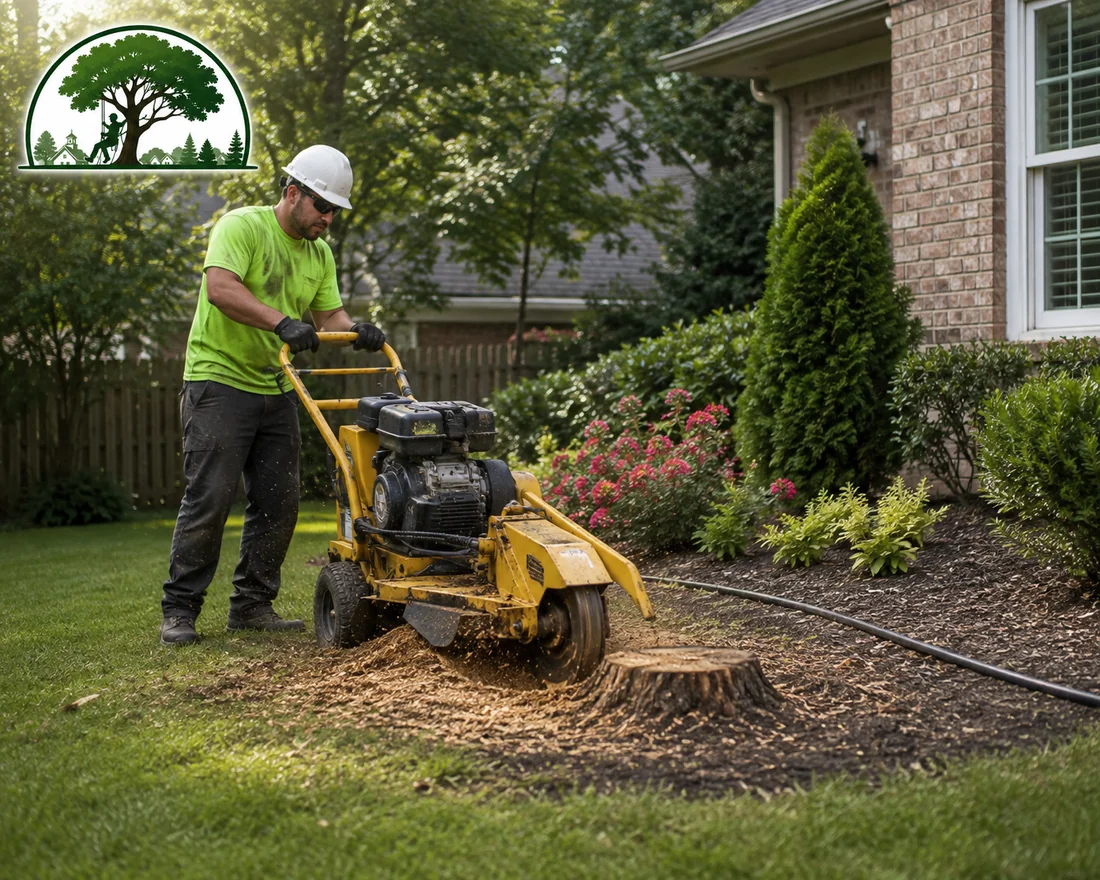
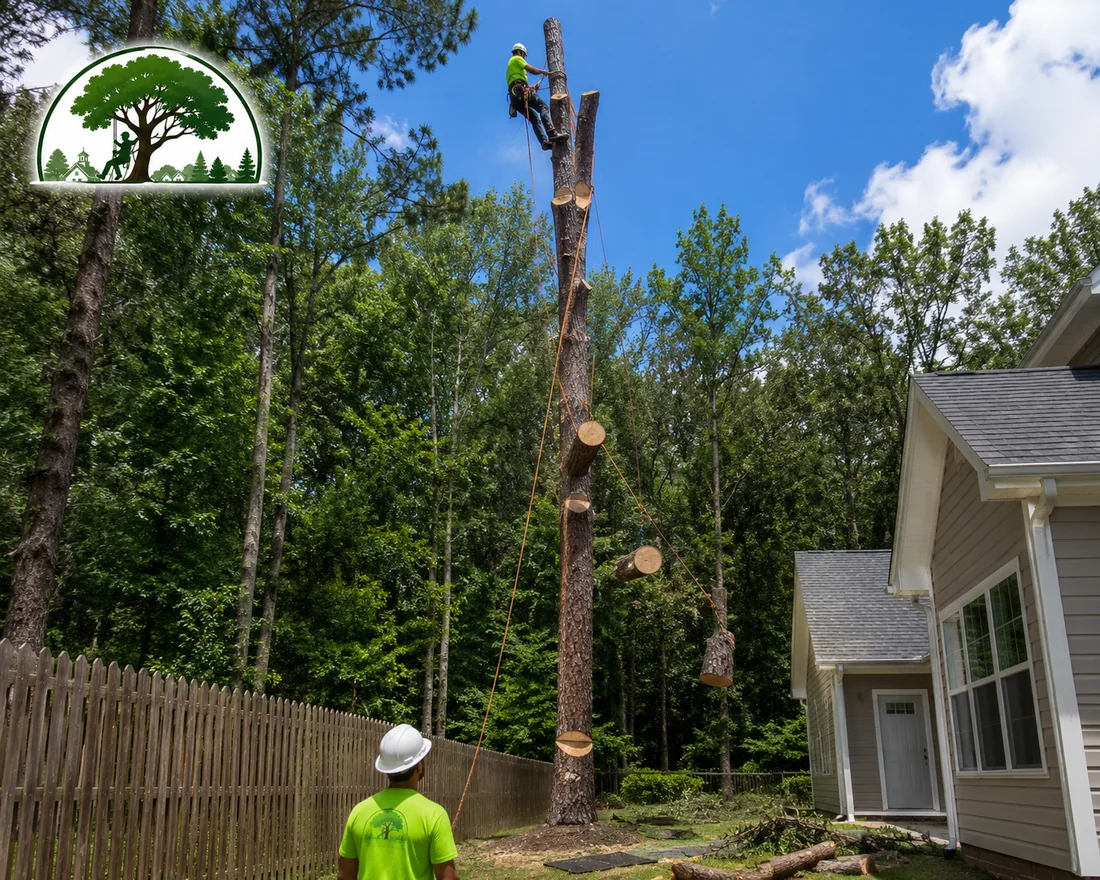
Professional hazardous tree removal follows a careful plan. The crew assesses the lean direction and the weight distribution of the canopy. They clear the target area of furniture, vehicles, and other obstacles. Then they make cuts that guide the tree's fall. In tight spaces, they may dismantle the tree in sections, lowering each piece with ropes. Stump grinding and debris cleanup are usually part of the service, leaving the yard usable again.
If you need help with dangerous backyard trees, look for a company that is licensed and insured. Ask about their experience with leaning trees and their approach to safety. A good crew will walk you through the process before they start, so you know what to expect. They will also handle any necessary permits if local regulations require them.
Preventing Problems Before They Start
The best way to avoid a hazardous lean is to monitor your trees regularly. Walk around them after heavy rain or high winds. Look for changes in the lean angle, new cracks, or signs of root disturbance. Keep the area around the base clear of soil compaction from vehicles or construction. Mulch lightly around the root zone, but do not pile it against the trunk. Healthy trees are less likely to develop dangerous leans, but even healthy trees can fail under extreme conditions.
Regular inspections by a professional can catch problems early. An arborist can spot subtle signs that a homeowner might miss. They can also prune deadwood and improve the tree's structure, reducing the stress on the trunk and roots. Preventive care is far less expensive than emergency removal after a storm.
Making the Call
A leaning tree is not always an emergency, but it deserves attention. The signs are there if you look: disturbed soil, exposed roots, trunk cracks, deadwood, and fungal growth. When you see those signs, act. Call a professional, get an assessment, and make a plan. If removal is the recommendation, follow through. Your property and your peace of mind are worth it.
Understanding the risks and knowing what to look for puts you in control. You do not need to be a tree expert to spot a problem. Trust your instincts. If a tree looks wrong, it probably is. A few minutes of observation can save you from a much bigger headache later.